
Hidden Costs When Buying a House for Sale
Buying a House for Sale Michael Mastronardi March 11, 2026
Buying a House for Sale Michael Mastronardi March 11, 2026
Buying a house can cost more than the price on the sign. Hidden costs can include closing fees, home inspections, repairs, taxes, insurance, moving, utilities, and even neighborhood fees. If you are looking at homes for sale in Easton, CT, knowing these costs ahead of time can save a lot of money and stress. Being prepared helps you avoid surprises and makes buying a house easier and happier.
Closing costs are the fees you pay when you finish buying a house. They are not in the price you see on the listing. These fees can include paying the bank, insurance, and lawyers. They can also cover checking the house’s value and filing legal paperwork.
Closing costs can feel like a surprise. They can be thousands of dollars, depending on the price of the house. For example, a $400,000 home might have closing costs from $8,000 to $16,000. Sometimes the seller pays part of the fees, but it’s best to be ready to pay all of them.
Here’s to show common closing costs:
|
Fee Type |
What It Means |
How Much Can It Cost |
|---|---|---|
|
Lender Fees |
Paying the bank for processing and origination of the loan. |
0.5–1% of home price |
|
Title Insurance |
Protects you from future ownership disputes or legal problems. |
$500–$1,500 |
|
Appraisal & Inspection |
Professional check of the house’s market value and physical safety. |
$300–$700 each |
|
Recording Fees |
Government fees for updating public records with your legal paperwork. |
$50–$250 |
Home inspections are very important. They show problems that you cannot see at first. Even a house that looks perfect might have hidden issues.
Common problems found in inspections include:
Roof leaks that let water in
Old plumbing or wiring
Cracks in the foundation or drainage issues
Inspections can save a lot of money. If something is broken, you can ask the seller to fix it or lower the price. Skipping inspections can be very risky.
Taxes and insurance are costs you pay every year after buying a house. Property taxes go to the town. Home insurance protects your house from damage, fire, storms, or accidents.
In Easton, CT, property taxes can vary by neighborhood. Insurance costs depend on the house’s age, materials, and risks like flooding. If you do not plan for these costs, your monthly payments can be much higher than you expected. Always check taxes and insurance before making an offer.
Moving costs more than just packing boxes. You may need movers, trucks, or even temporary storage. Utilities like electricity, water, and gas can cost more than you think, especially in bigger or older homes. Small upgrades can also add up. You may want new lights, curtains, furniture, or landscaping. Even small changes can cost a lot.
Here are examples of extra moving and upgrade costs:
Movers: $500–$2,000 depending on distance and size
Packing supplies: $50–$200 for boxes, tape, and bubble wrap
Utility deposits: $50–$300 for gas, water, or electricity
Small upgrades: $500–$5,000 for furniture, blinds, or lights
Planning for these costs keeps your budget safe and prevents stress later.
Some homes need repairs or updates. Even if the house looks new, floors, kitchens, or bathrooms might need work.
Typical repair costs include:
Painting and small fixes: $500–$3,000
Flooring updates: $1,500–$6,000
Kitchen upgrades: $5,000–$25,000
Bathroom remodels: $3,000–$15,000
Yard work and landscaping: $500–$3,000
A good rule is to save 5–10% of the home price for repairs and renovations. It makes your house comfortable without unexpected money problems later.
Some neighborhoods have homeowner's associations (HOAs). They charge monthly fees to take care of shared spaces. Fees may pay for:
Street and yard maintenance
Pools, gyms, or playgrounds
Trash removal or security
HOA fees are usually monthly. Some neighborhoods have special assessments. That means extra fees for unexpected repairs. Always check HOA rules and budgets before buying.
Utility bills like electricity, water, and heating can surprise new homeowners. Older homes usually cost more to heat in winter or cool in summer. Ask the seller for past bills. This gives a better idea of monthly costs. Knowing this helps plan your budget and prevents surprises after moving in.
Hidden costs can be scary. Here are simple ways to avoid them:
Ask your bank for all fees before buying
Hire a trusted home inspector early
Check property taxes, insurance, and HOA rules
Save at least 10% extra for repairs, upgrades, and moving
Being prepared makes buying a house easier, safer, and less stressful. It also helps you enjoy your new home more.
Q. What extra costs should I expect when buying a house?
Buying a home usually includes fees beyond the list price. Expect closing costs, inspections, property taxes, home insurance, moving costs, and ongoing repairs or upgrades. Planning for these keeps you from getting surprised.
Q. How much should I budget for hidden costs?
Set aside around 10–20% of a home’s cost to cover hidden expenses like closing fees, repairs, insurance, and other charges beyond the sticker price.
Q. Do I need a home inspection?
Yes. A home inspection checks for problems you can’t see. It helps you spot leaks, roof issues, wiring problems, and more. Knowing early can save big money later.
Q. Are property taxes included in the home price?
No. Property taxes are paid separately to the town every year. They vary by area and can change over time, so always check before buying.
Q. Can hidden costs be negotiated?
Some fees, like certain closing costs or seller concessions, can sometimes be negotiated. Not all costs can be changed, but asking can help lower what you pay.
Q. Should I plan for utility costs before moving in?
Yes. Ask for past utility bills from the seller. Knowing typical water, electricity, and gas costs helps you plan your monthly budget better.
Q. Are HOA fees a high cost?
If your house is in a neighborhood with HOA rules, you usually pay monthly or yearly fees. These cover shared spaces and amenities and should be included in your budget.
Buying a house is exciting, but hidden costs can pile up quickly. Michael Mastronardi can guide you through homes for sale in Easton, CT, without surprises. With local knowledge, smart advice, and friendly guidance, he makes buying easier and safer. Call today to schedule a consultation and see all costs clearly. Step into your new home with confidence.
Stay up to date on the latest real estate trends.
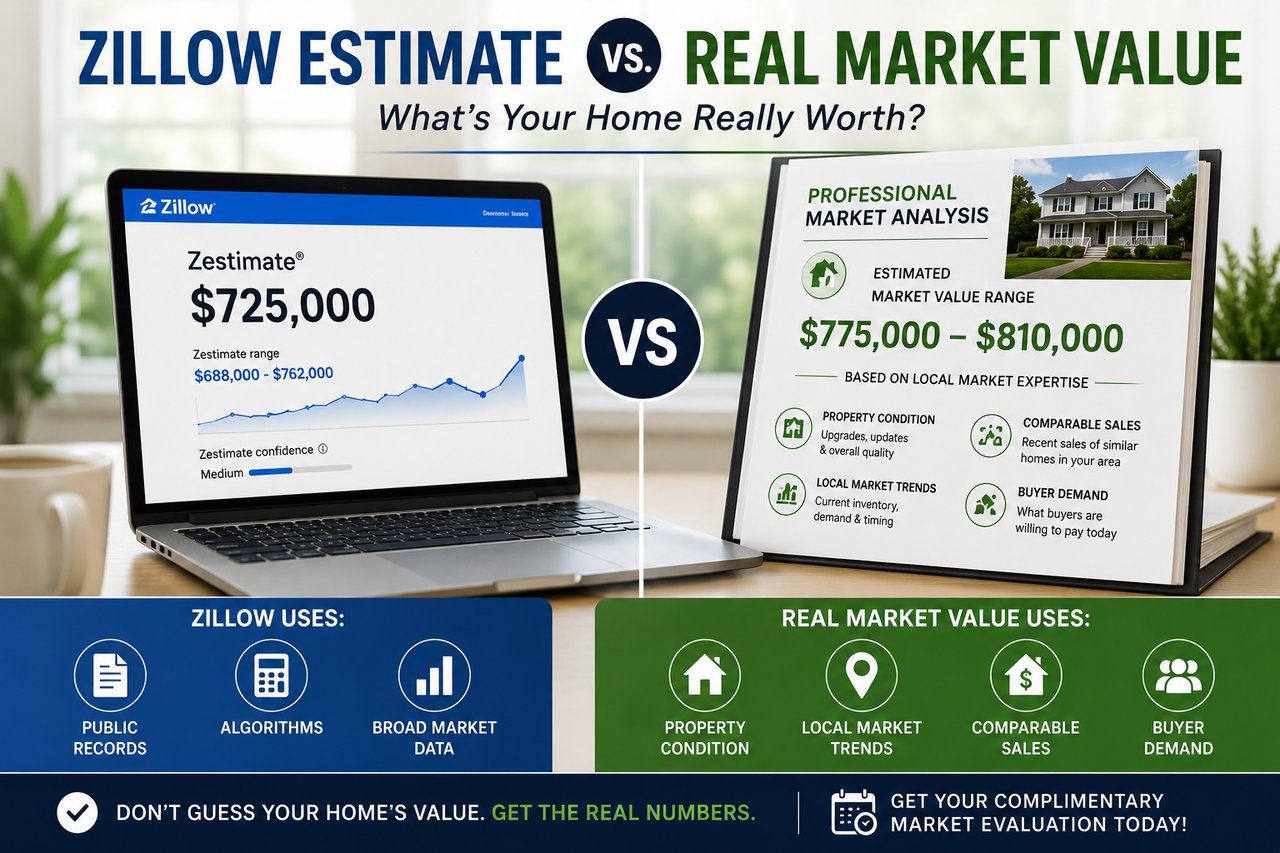
Why online home value estimates can be helpful starting points—but often miss the factors that truly determine what a home is worth.

Will home prices rise? Will inventory improve? Here's what buyers and sellers should expect in the Connecticut housing market in 2026.

Interest Rates
Understanding how mortgage rates affect affordability, monthly payments, and buying power in today's Connecticut housing market.

Connecticut Real Estate
Discover the Connecticut communities that offer the ideal balance of commute time, lifestyle, schools, and quality of life for New York City professionals.

Buy a Home
Buying a home feels exciting. It is a big life step and often a dream for many people. But the process can feel confusing when paperwork starts piling up. The good new… Read more

Condo vs Single Family Home
Understanding the differences in cost, maintenance, lifestyle, privacy, and long-term value before buying in Connecticut.

Home Buying Process
Understanding the Connecticut home buying process from budgeting and pre-approval to inspections, financing, and closing day.

First Time Home Buyer
A practical guide for first-time buyers navigating budgeting, credit, loan programs, and affordable homeownership opportunities in Fairfield County and beyond.

Townhouse vs Apartment
A complete guide to comparing townhouses and apartments in Fairfield County, including cost, privacy, maintenance, and long-term value.